

1. War and Human Trafficking
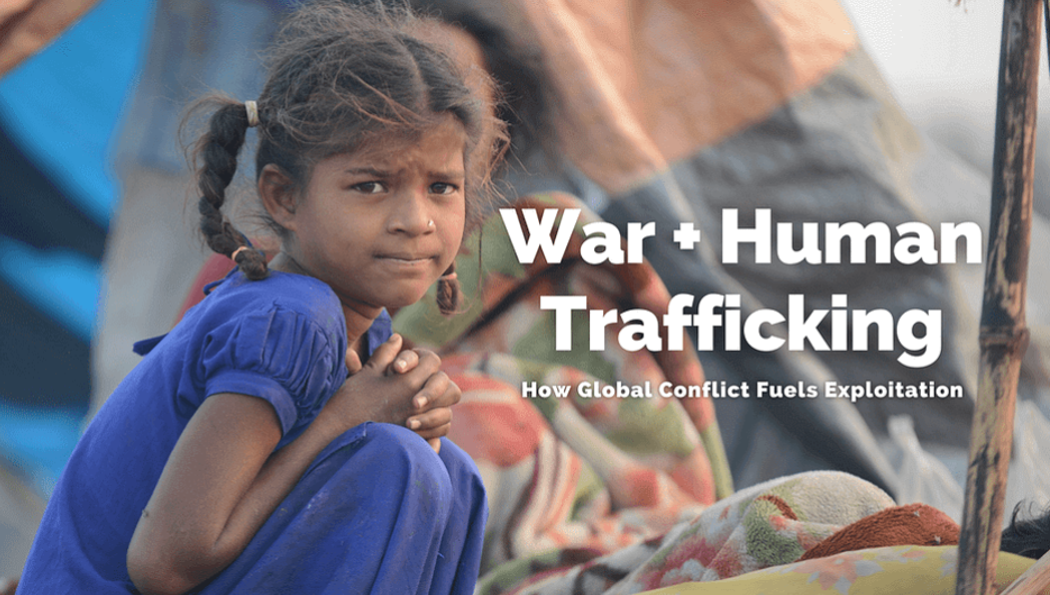
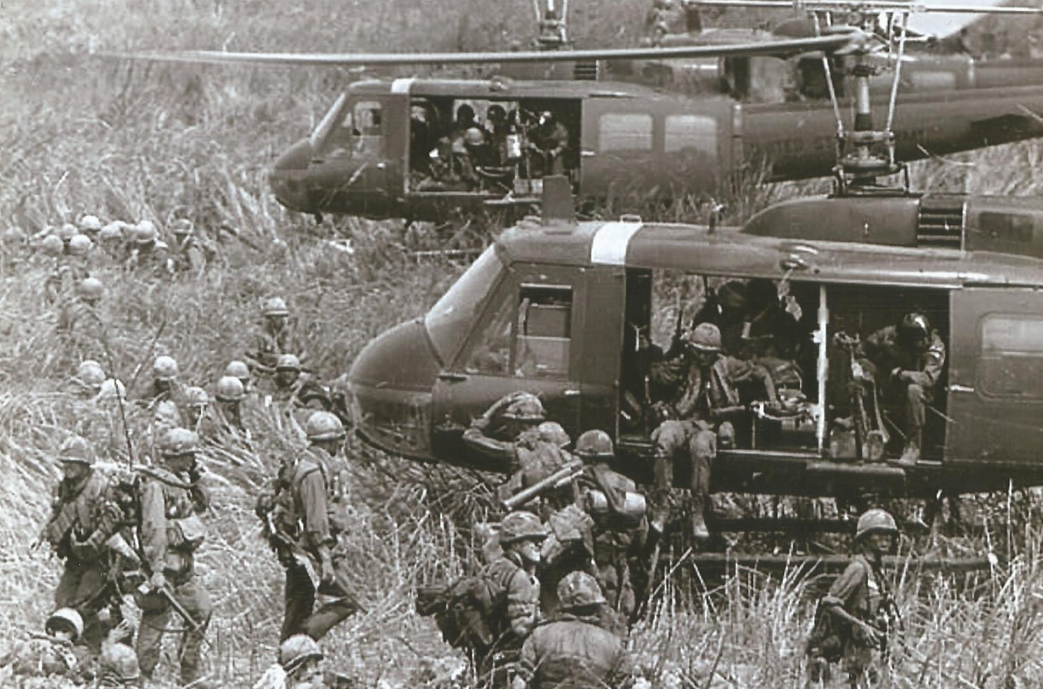
Collapse of governance: Conflict zones dismantle protection systems. Wars dismantle institutions, governance, policing, social services, weakening law enforcement and border controls, enabling traffickers to operate freely.
Displacement: Millions of children and families are uprooted, creating vulnerabilities exploited by traffickers.
Exploitation of refugees: Families fleeing conflict often rely on unsafe migration routes, exposing them to smugglers and traffickers.
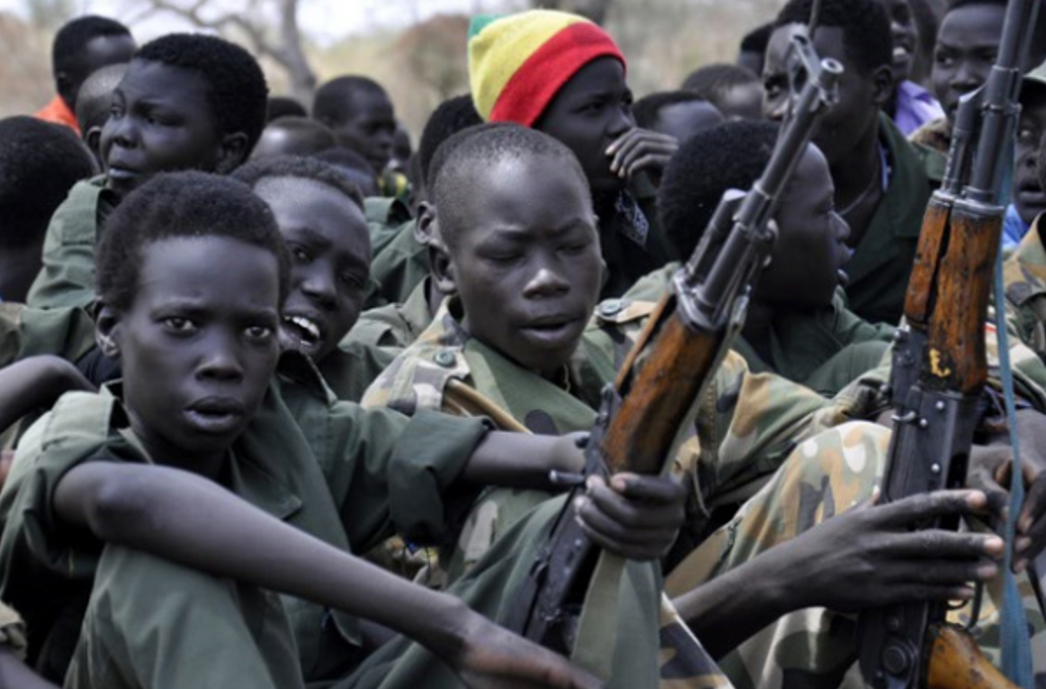
Child recruitment: Armed groups exploit children as soldiers, porters, or sex slaves.
Gender-based violence as a weapon of war: Rape, forced marriage, and sexual slavery are systematically used to terrorize communities. Survivors often face stigma, making reintegration difficult.
2. Gender-Based Violence (GBV) in Conflict
Weapon of war: Sexual violence, forced marriage, and sexual slavery are systematically used to terrorize communities.
Targeting women and girls: Disproportionately affected, facing exploitation in camps and conflict zones.
Stigma and reintegration challenges: Survivors often face social exclusion, compounding trauma.
3.Humanitarian Crisis
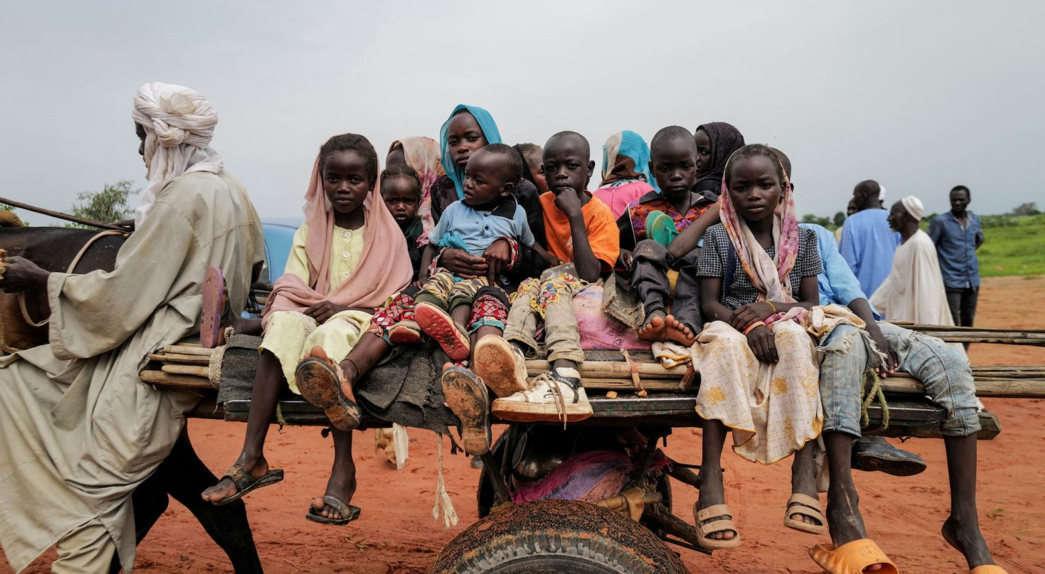
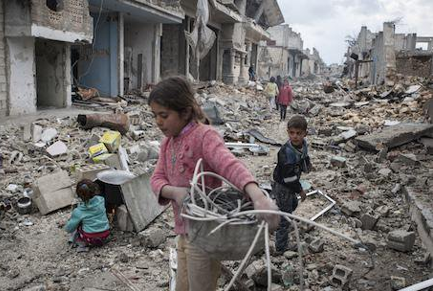
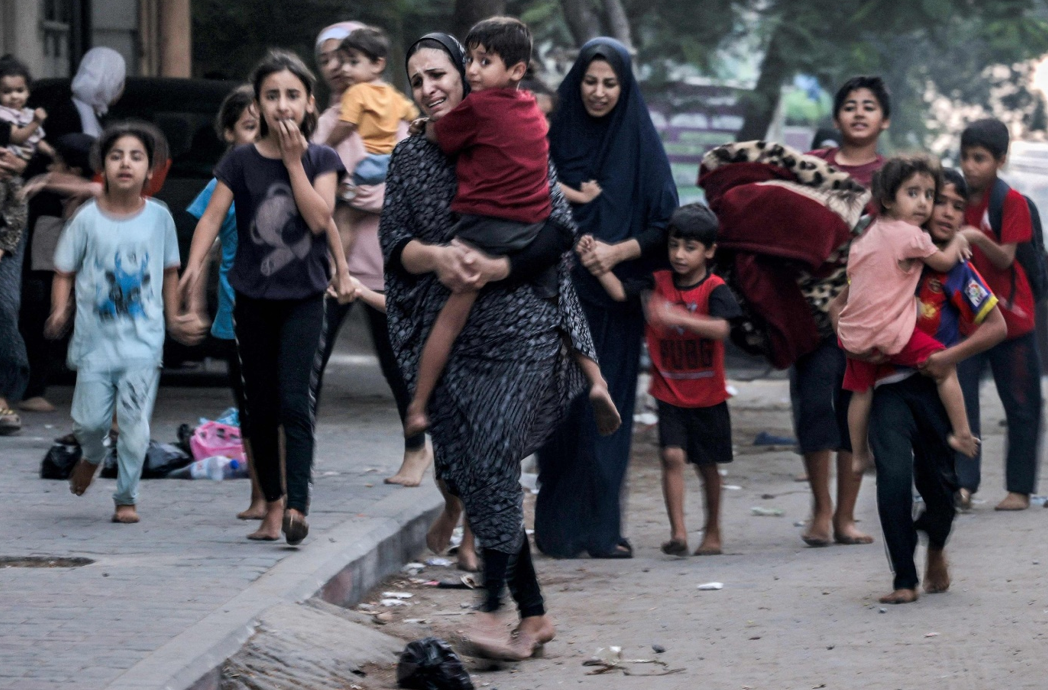
Millions displaced across the region, with refugee flows spilling into neighbouring countries.
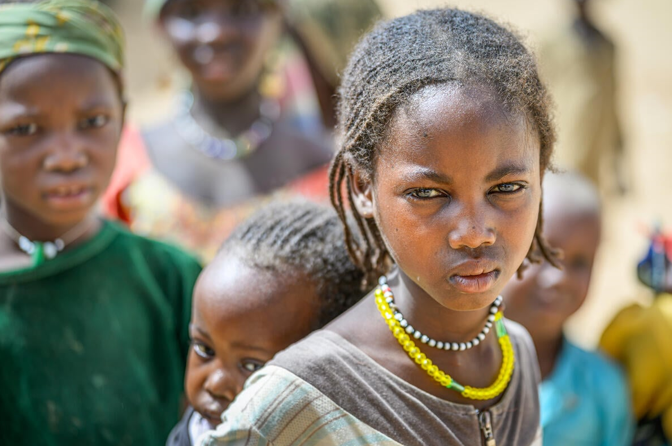
Vulnerable populations, especially women and children face heightened risks of trafficking, forced labor, and sexual exploitation.
Aid agencies warn of critical shortages in food, water, and medical supplies.
4. Current Middle East War (2026)
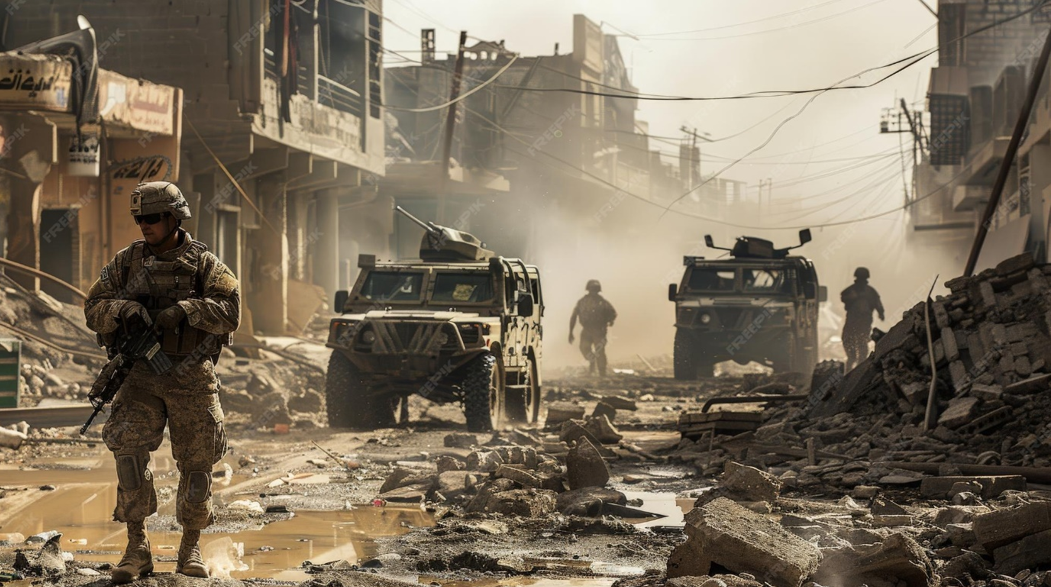
Escalation: Active multi-front war involving the US, Israel, Iran, and regional actors, with strikes across Lebanon, Syria, Kuwait, and the Gulf.
Humanitarian fallout:
Air travel down 59%, stranding thousands.
2,000 vessels and 20,000 seafarers stuck near the Strait of Hormuz.
Civilian casualties mounting in Israel, Iran, Kuwait, and the UAE.
Energy shock: Brent crude surged to $115 per barrel, the largest oil supply shock in history.
Regional displacement: Families fleeing bombardments face heightened risks of trafficking and GBV.
5. Global Ripple Effects
Europe: Refugee inflows, energy insecurity, and pressure to support democratic movements while balancing diplomacy.
Africa: Spillover risks in the Red Sea and Horn of Africa, where fragile states could see trafficking networks expand.
Asia: Millions of migrant workers in the Gulf face job losses and forced repatriation, increasing vulnerability to exploitation.
Global economy: Supply chain disruptions, rising fuel costs, and inflation exacerbate poverty worldwide conditions traffickers exploit.
6. War/Trafficking/GBV Nexus
| War Impact | Trafficking/GBV Consequence |
| Collapse of governance | Traffickers operate with impunity |
| Mass displacement | Children separated, recruited, or sold |
| Energy/economic shocks | Families pushed into survival-based exploitation |
| Closed borders & unsafe migration | Reliance on smugglers → trafficking risk |
| Gender-based violence in war | Surge in sexual exploitation and forced marriages |
7. What People Can Do to Get Help in War Zones
Seek humanitarian agencies: Connect with UNHCR, UNICEF, ICRC, and local NGOs operating in camps and conflict zones.
Report exploitation: Use safe reporting channels provided by humanitarian organizations and peacekeeping forces.
Access safe spaces: Many refugee camps and humanitarian corridors establish child-friendly and women’s safe spaces.
Community protection networks: Join or form local watch groups supported by NGOs to monitor and prevent trafficking.
Legal aid and advocacy: International NGOs often provide legal support for survivors of GBV and trafficking.
Emergency hotlines: In some regions, humanitarian agencies set up crisis hotlines for immediate assistance. Global Emergency Number is 112
Trustworthy allies: Seek help from teachers, aid workers, or community leaders who are trained to respond to GBV and trafficking.
8. Key Takeaways
The Middle East war magnifies vulnerabilities globally: children, women, and displaced families are at the highest risk.
GBV and trafficking are deliberate strategies of warlords and traffickers exploiting instability.
Global actors must act: humanitarian corridors, child protection systems, and survivor-centered GBV response are urgent priorities.
Survivors and at-risk individuals can seek help through humanitarian agencies, safe spaces, and community networks even in conflict zones.
9. Strategic Response
Humanitarian aid: Scale up child protection, GBV survivor services, and anti-trafficking measures.
Border monitoring: Strengthen protections for refugees and displaced populations.
Accountability: Prosecute traffickers and perpetrators of wartime sexual violence.
Awareness campaigns: Educational tools like:
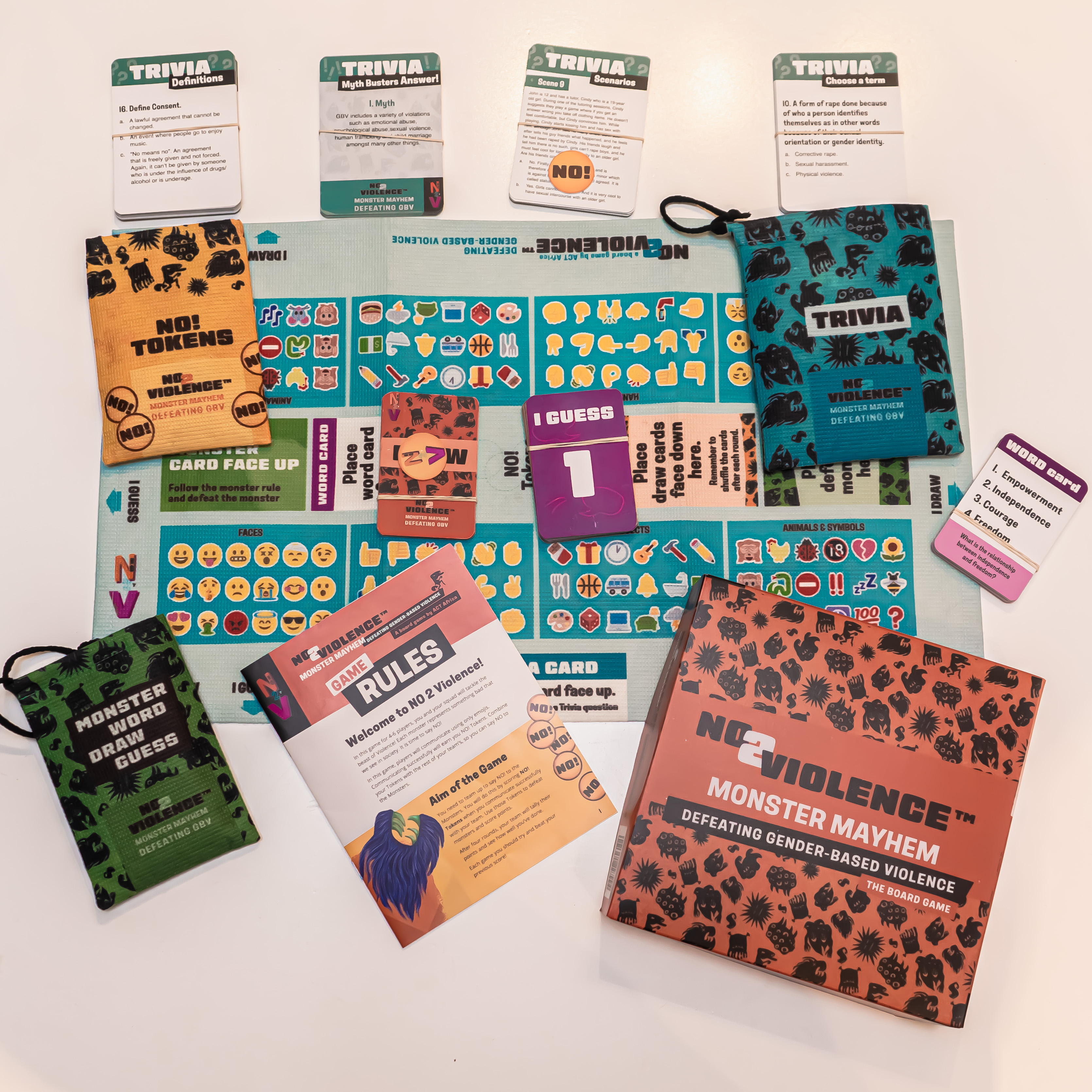
ACT Africa’s No2Violence (N2V) educational boardgame for ages 10 upwards which is designed to educate, prevent and break the vicious cycles of violence in adults and children and ensuring that children grow into a generation of protectors rather than perpetrators or victims – https://www.actafrica.org.za/no-2-violence/

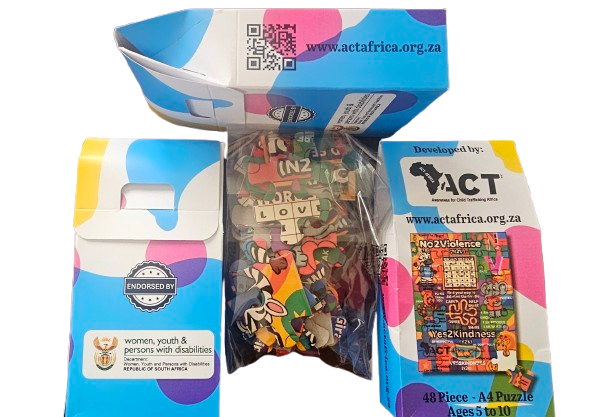
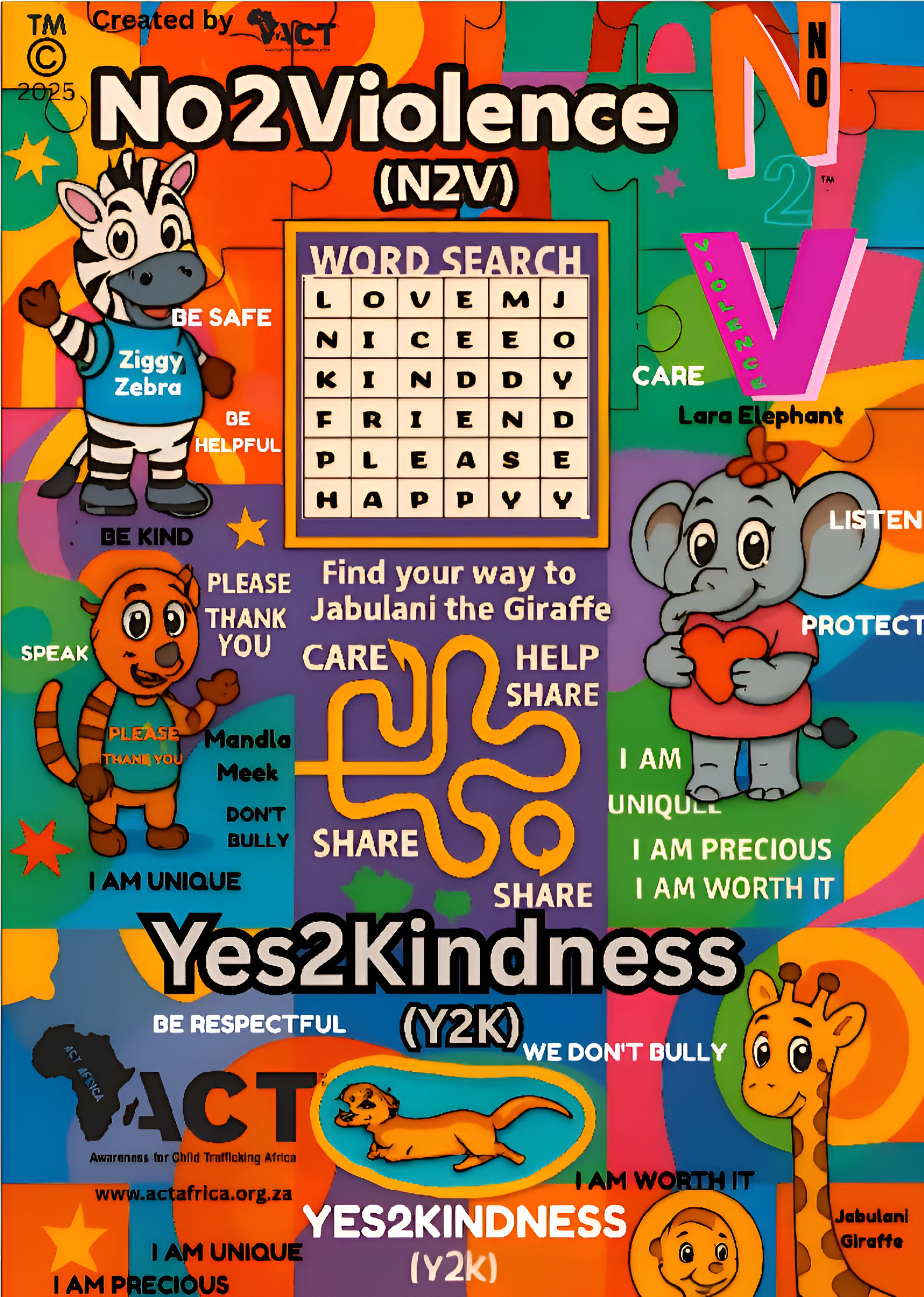
Yes2Kindness (Y2K) puzzle empowering children ages 5-10 to resist exploitation. The purpose of the Yes2Kindness Puzzle is to protect children by using play-based learning to teach safety; instill kindness, empathy, and respect in young children (ages 5–10) as a way of preventing bullying, child trafficking, exploitation, and gender-based violence – https://www.actafrica.org.za/yes-2-kindness-y2k-puzzle/

Would you consider a monthly donation to help us fight and break the cycles of these vicious atrocities of Human Trafficking and Gender based Violence especially during these perilous times and far into the future, You will be assisting and enabling us to fulfill our mission to Save Lives Through Awareness and Education.
When you partner with ACT Africa through monthly sponsorship, you are not just a donor. You are a No2Violence (N2V) Champion.
#Donate today – Your donation will be used for the sustainability of our projects and the organisation.
How To Take Advantage of Tax-Deductible Donations to Charities
Please note, all donations/sponsorship to ACT Africa is tax deductible and a Tax Certificate will be issued upon request as per Section 18A of the Income Tax Act of 1962 of South Africa.
Our banking details are:
Account holder: Awareness for Child Trafficking Africa (ACT Africa) Bank: First National Bank Account Number:62827188237 Branch Code 256055 Swift Code FIRNZAJJ
Email Proof of Donation to accounts@actafrica.org.za
OR
Click on the link below